Understanding Pack Mentality in Dogs
Understanding Pack Mentality in Dogs
The concept of pack mentality in dogs is rooted in their ancestry as pack animals. Understanding this behavior can greatly enhance the relationship between you and your canine companion. At its core, pack mentality refers to the social structure and dynamics that guide a dog's interactions.
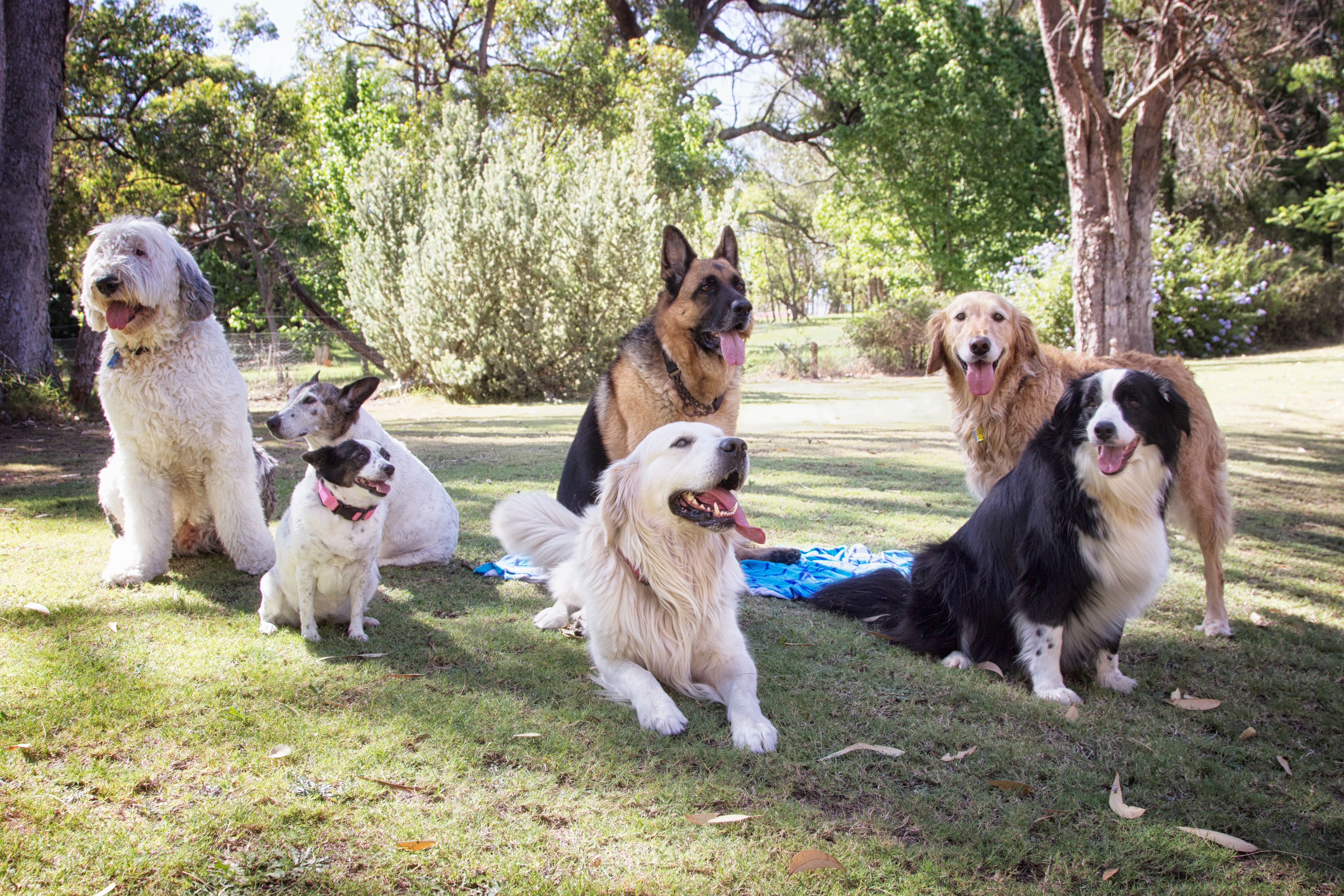
The Origins of Pack Mentality
Dogs are descendants of wolves, which are inherently pack animals. In the wild, wolves rely on a structured social hierarchy to survive, often led by an alpha. This hierarchical structure can still be observed in domestic dogs, influencing their behavior and interactions with humans and other animals.
This ancestral trait means that dogs naturally seek out social structures and may even exhibit behaviors that reflect a desire to establish or understand their position within a pack. Recognizing these behaviors is essential for effective training and communication.
Signs of Pack Behavior in Dogs
Understanding the signs of pack behavior can help you identify your dog's needs and desires. Some common signs include:
- Following the Leader: Dogs often follow their owners around, seeking guidance and companionship.
- Protective Instincts: Dogs may display protective behaviors over their home and family.
- Social Play: Engaging in play that mimics hunting or chasing reflects natural pack activities.

Establishing Leadership
To effectively manage pack mentality, establishing yourself as the leader is crucial. This doesn't mean being aggressive or domineering but rather providing clear direction and boundaries. Consistent training, positive reinforcement, and setting rules can help your dog understand their role within the family pack.
Leadership also involves meeting your dog's basic needs for food, exercise, and companionship. By doing so, you reinforce your position as the provider and guide, which can lead to a more harmonious relationship.
The Importance of Socialization
Socialization is key to managing pack mentality. Introducing your dog to various environments, people, and other animals helps them adapt to different social dynamics. This process can reduce anxiety and improve their ability to interact positively with others.
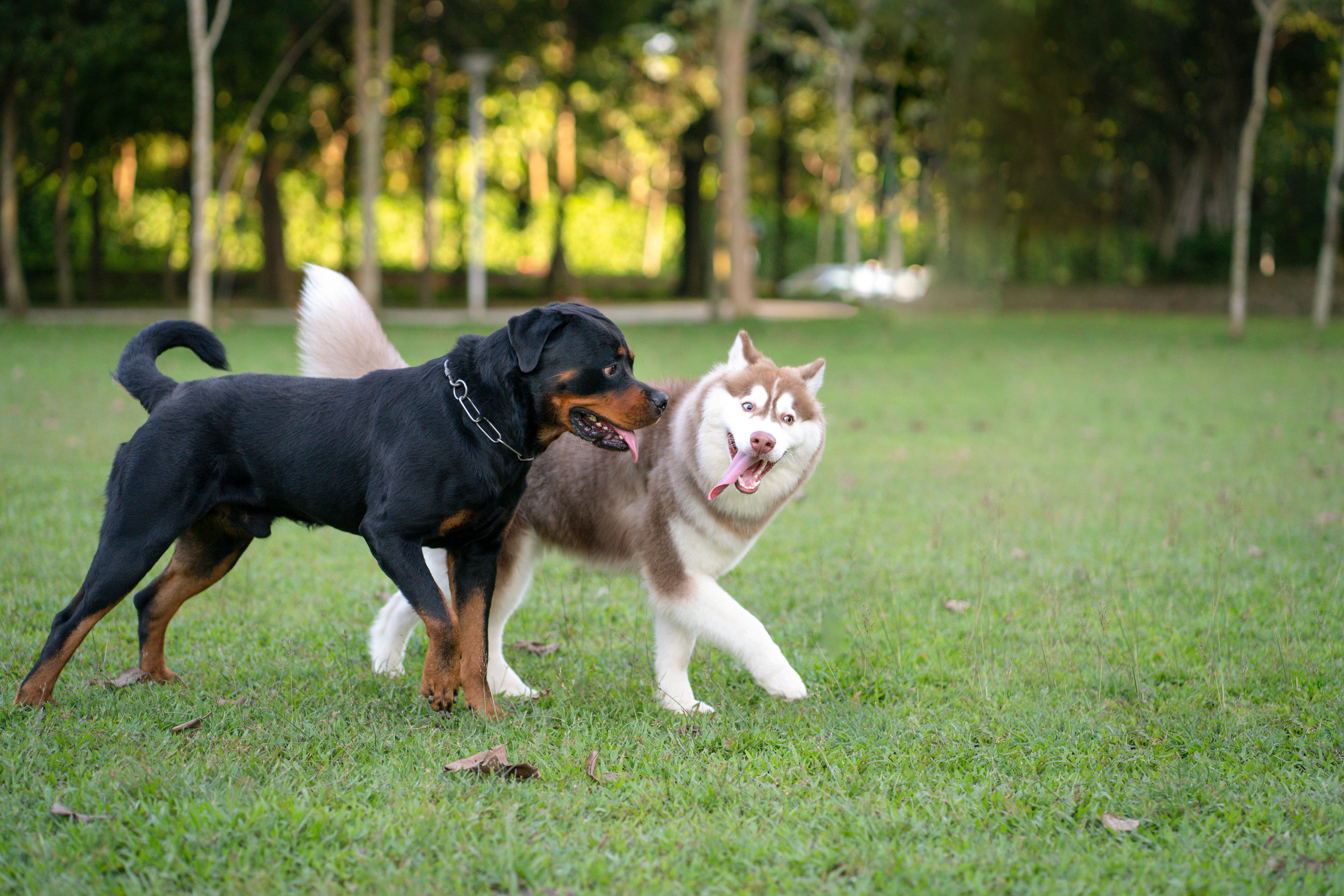
Proper socialization can prevent aggressive behaviors that may arise from fear or uncertainty. It also enhances your dog's confidence, making for a well-adjusted and happy companion.
Adapting to Your Dog's Needs
Every dog is unique, and their expression of pack mentality can vary. Some dogs may be more independent, while others might crave constant companionship. Understanding and adapting to your dog's individual needs can improve your bond and ensure they feel secure and loved.
By recognizing and respecting these differences, you can provide a supportive environment that caters to their natural instincts and behaviors.
Conclusion
Understanding pack mentality in dogs is vital for fostering a healthy and fulfilling relationship. By recognizing signs of pack behavior, establishing leadership, and promoting socialization, you can create a balanced and supportive environment for your furry friend. Embrace their natural instincts, and you'll find a loyal and loving companion in return.