Potty Training Basics for Your Dog
Understanding Your Dog's Needs
Potty training your dog is an essential part of pet ownership. Understanding your dog's needs is the first step toward a successful training process. Dogs typically have to go potty after waking up, eating, and playing. Paying attention to these routines can help you predict when your dog might need to go outside.
It's important to remember that puppies have small bladders and will need to go out more frequently than adult dogs. Establishing a routine is crucial in helping your dog learn when and where they should relieve themselves.
Setting Up a Routine
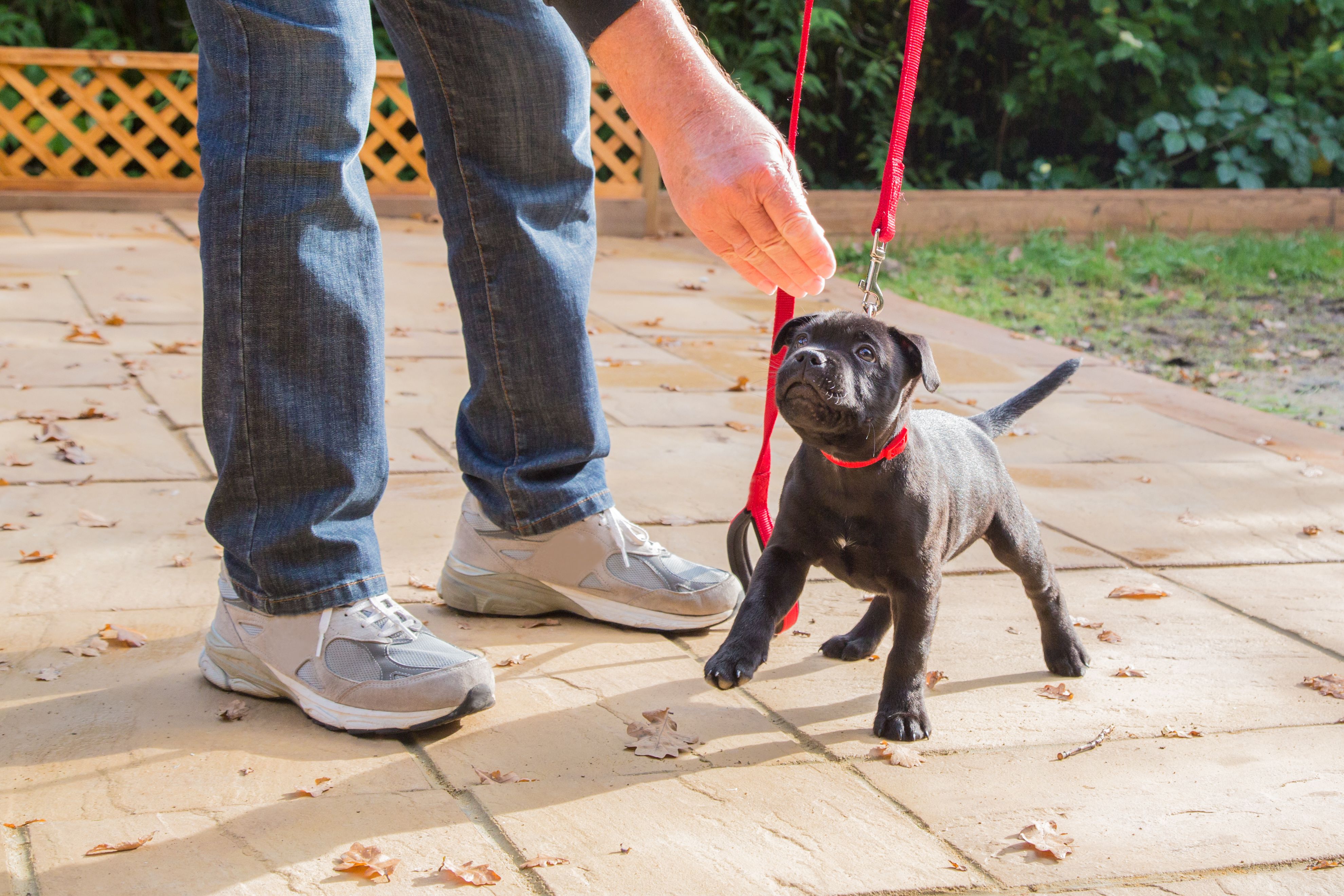
Creating a consistent schedule is vital for effective potty training. Take your dog outside at the same times each day, such as first thing in the morning, after meals, and before bedtime. Consistency helps your dog understand what is expected of them.
When taking your dog out, always use the same door and take them to the same spot. This helps them associate the location with going potty. Using a verbal cue like "go potty" can also reinforce the behavior.
Using Positive Reinforcement
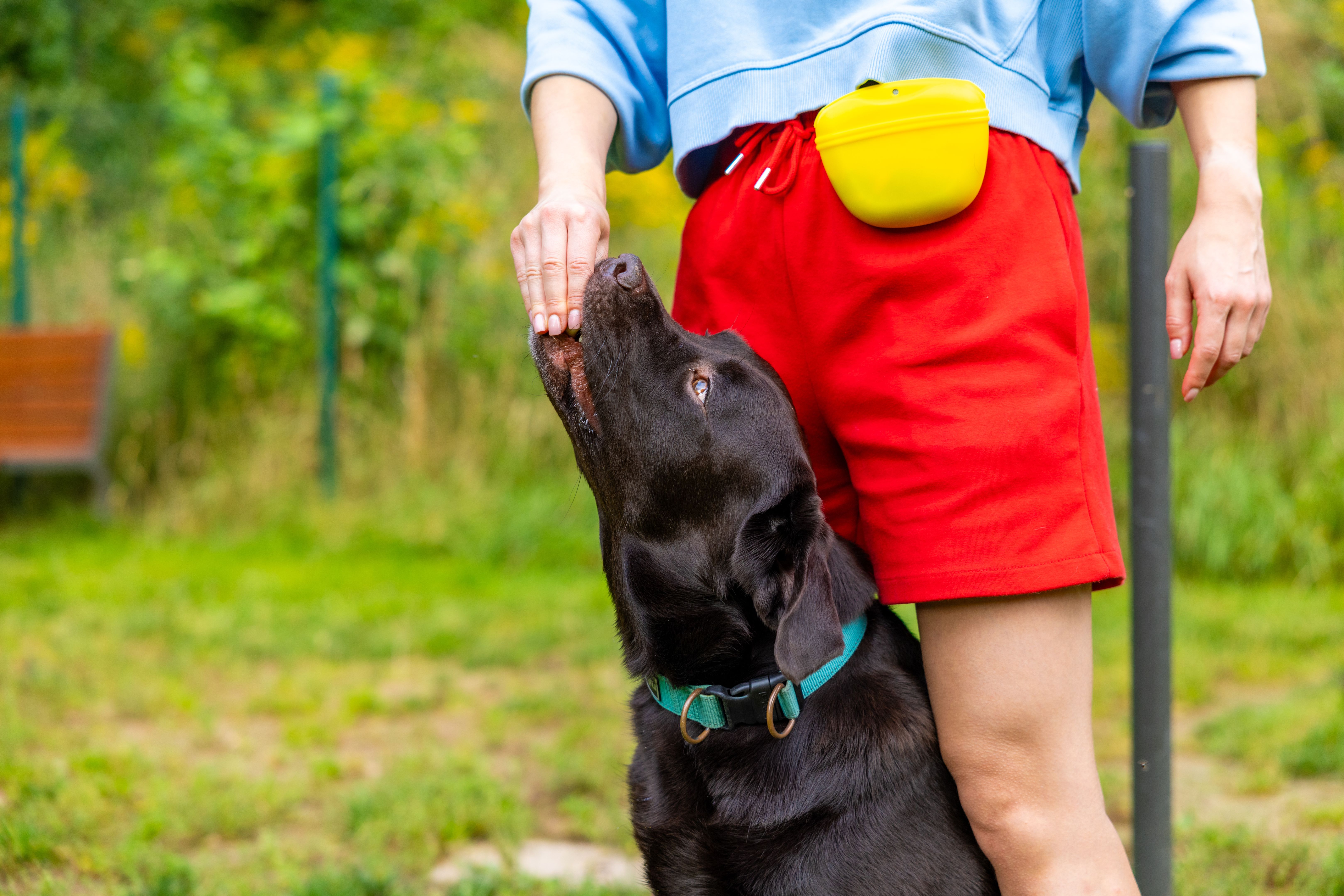
Positive reinforcement is a powerful tool in potty training. When your dog successfully goes potty outside, reward them with praise, treats, or playtime. This encourages them to repeat the behavior.
Avoid using punishment if accidents occur inside the house. Instead, clean up the mess thoroughly to remove any lingering odors that might attract your dog back to the same spot.
Dealing with Accidents
Accidents are a normal part of the potty training process. When they happen, it's important to stay calm and patient. Quickly take your dog outside to their designated potty area to reinforce where they should go.
Use enzymatic cleaners to eliminate odors from accidents inside the house. This helps prevent your dog from returning to the same spot.
Consistency and Patience
Potty training takes time, and each dog learns at their own pace. Consistency and patience are key. Keep up with the routine, continue using positive reinforcement, and be patient as your dog learns.
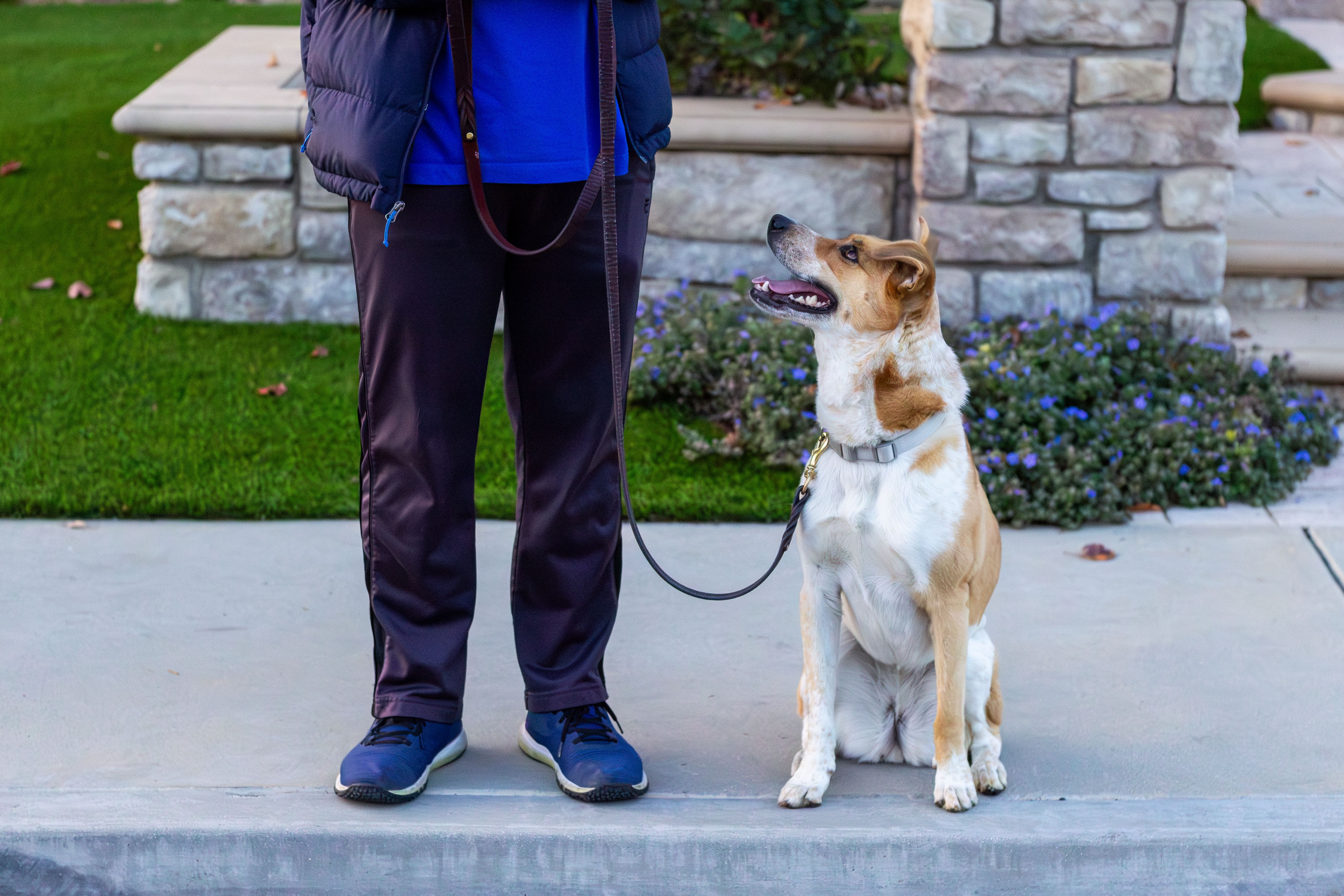
With time and effort, your dog will learn the appropriate place to go potty. Celebrate small victories along the way, and don't get discouraged by setbacks. Stay committed to the process, and you'll see progress.
In conclusion, potty training your dog requires understanding, consistency, and positive reinforcement. By setting up a routine and being patient, you'll help your dog develop good habits that will last a lifetime.